


 BUENOS AIRES. By Leo Canaparo
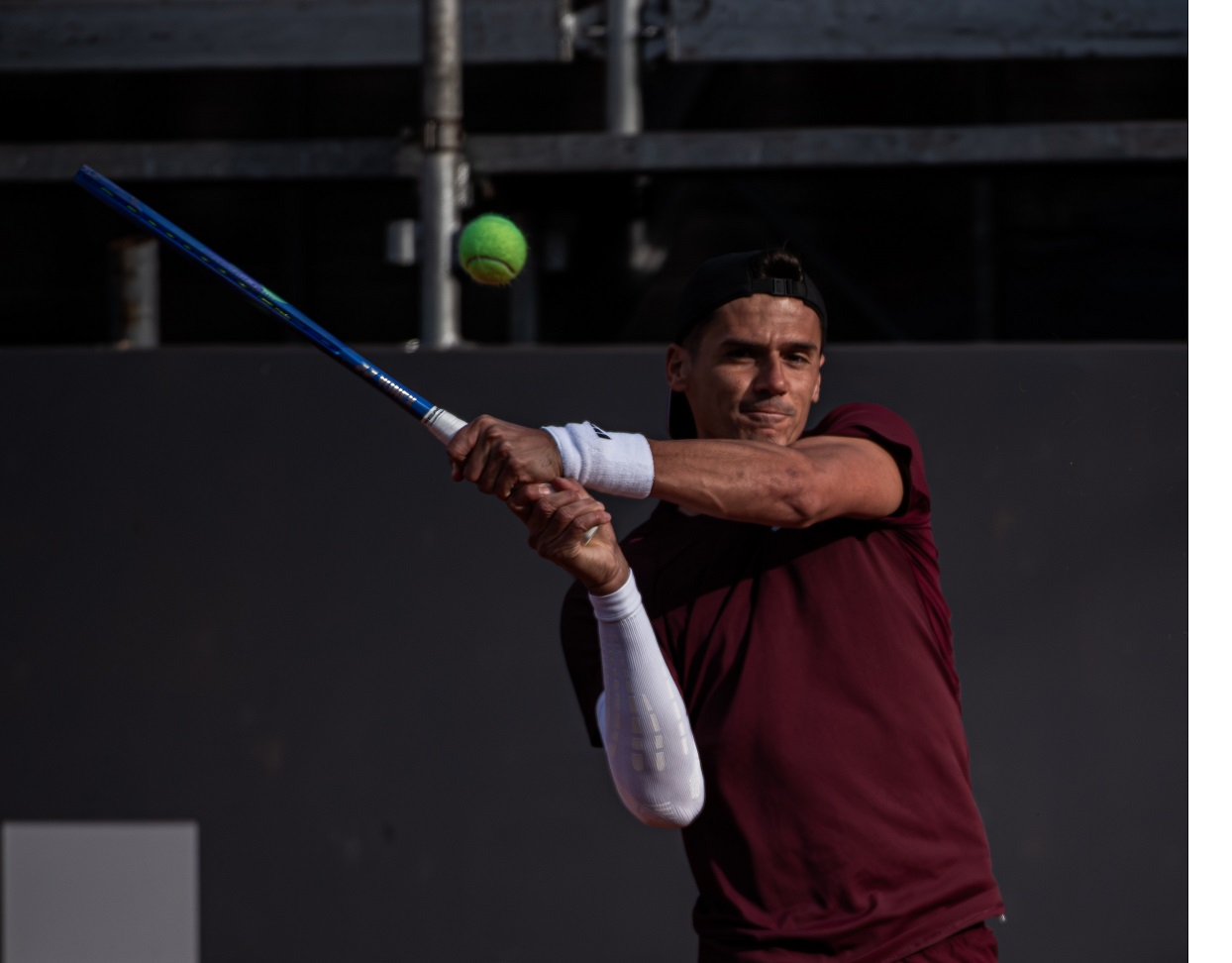
The YPF Buenos Aires Challenger is once again bringing together an important group of Argentine and international players at the Racket Club in Palermo, confirming its place as one of the most important events on the local tennis calendar. Organized by Torneos and part of the ATP Challenger Tour, the 11th edition is being played from September 20 to 27, offering a competitive stage for experienced players, established names and young talents looking to take another step in their careers.
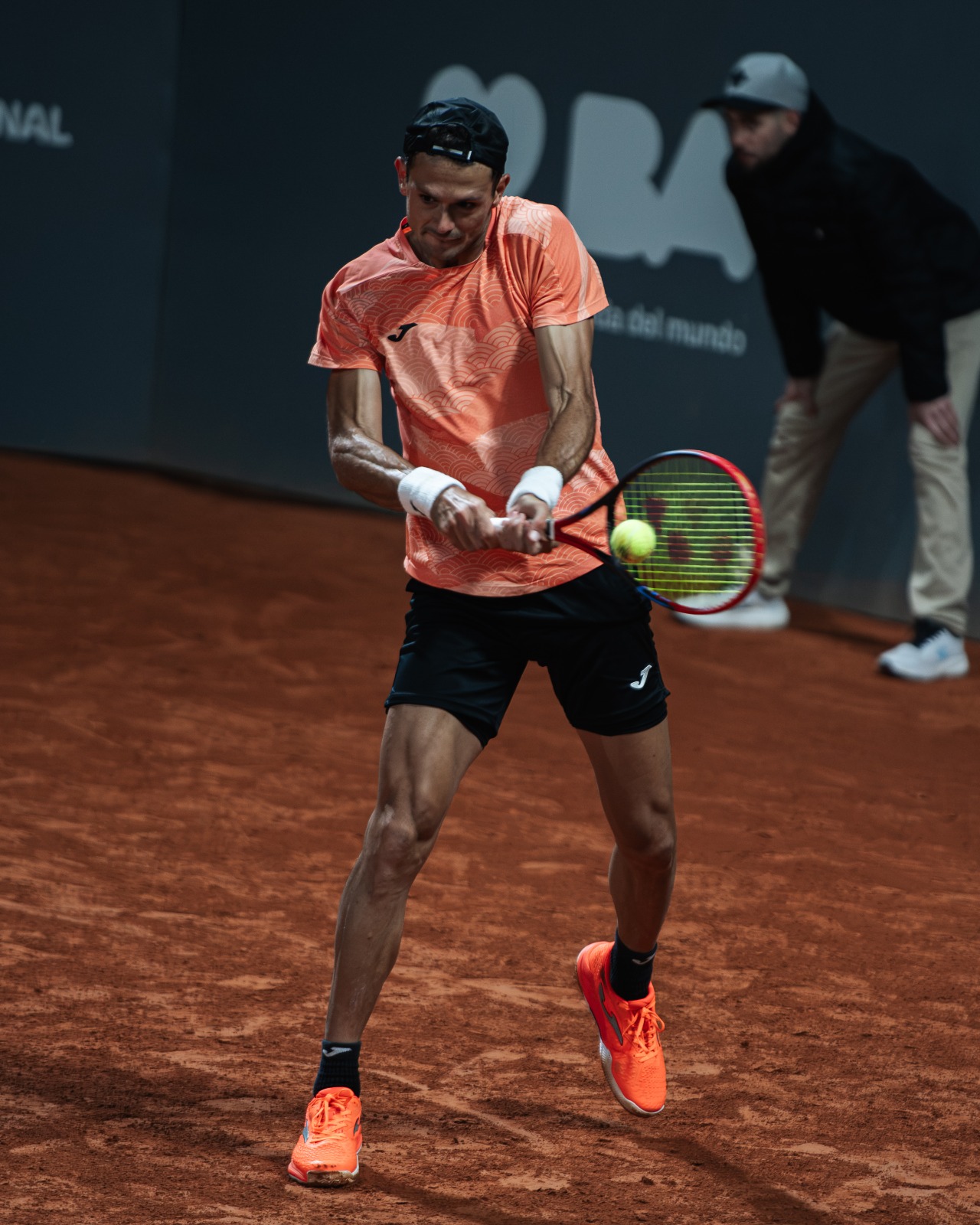 Photo Courtesy Buenos aires Challenger
Beyond the daily results, the tournament represents something particularly valuable for Argentine tennis. Having a Challenger at home gives local players the chance to compete in front of their own fans while facing opponents from different countries and ranking levels. It is also an important bridge between the ITF circuit and the ATP Tour, where players can gain ranking points, confidence and the experience needed to compete at a higher level.
This year’s field once again reflects that international character. Facundo Mena, Nicolás Kicker, Federico Coria, Francisco Comesaña and Valerio Aboian are among the Argentine players in the draw, alongside representatives from Brazil, Uruguay, Bolivia, Peru and Spain. Mena arrives in Buenos Aires after reaching the final in Augsburg and winning his fourth Challenger title in Porto, while Kicker is a former champion of the event, having lifted the trophy in 2017. Coria, meanwhile, has been one of the tournament’s familiar faces, reaching the final twice and returning year after year to a place where he has built a special connection with the crowd.
That connection between the players and the public has become one of the tournament’s trademarks. The Buenos Aires Challenger has developed an audience that goes well beyond the traditional Challenger crowd, with the Racket Club regularly packed for the most important days. The organizers reported that the last two editions were sold out from Thursday through Sunday, an impressive response for a tournament at this level.
And that matters. A full stadium creates a different atmosphere for the players, but it also shows that there is a genuine appetite for professional tennis in Argentina. For young players in particular, competing in front of a passionate home crowd can be an experience that stays with them as they move through their careers. The tournament has also become more than just a tennis competition, combining sport with entertainment and other activities around the matches, helping bring a broader audience closer to the game.
The history of the Buenos Aires Challenger helps explain why the event has such a strong identity. Over the years, its champions have included players who went on to become important names in Argentine tennis. Renzo Olivo won in 2016, Nicolás Kicker in 2017, Sebastián Báez in 2021, Juan Manuel Cerúndolo in 2022, Mariano Navone in 2023, Francisco Comesaña in 2024 and Román Burruchaga in 2025. International champions have included Kyle Edmund, Pablo Andújar and Sumit Nagal.
Several of those victories came at important moments in the players’ development. Navone, Báez, Cerúndolo and Comesaña all used the Challenger level as part of their progression toward the ATP Tour, while the tournament has also welcomed players who later became established figures on the international circuit. That history gives the event an added attraction: watching a Challenger in Buenos Aires can sometimes mean seeing a player before he becomes a familiar name on the biggest stages.
That is ultimately what makes the YPF Buenos Aires Challenger so relevant to Argentine tennis. It brings international competition to Buenos Aires, gives local players an opportunity to grow in familiar surroundings and, at the same time, gives fans the chance to see the next generation of professionals up close. With a strong field, a growing audience and a history that continues to produce Argentine champions, the tournament has become an important part of the country’s tennis landscape—and a valuable meeting point between the present and the future of the sport.