


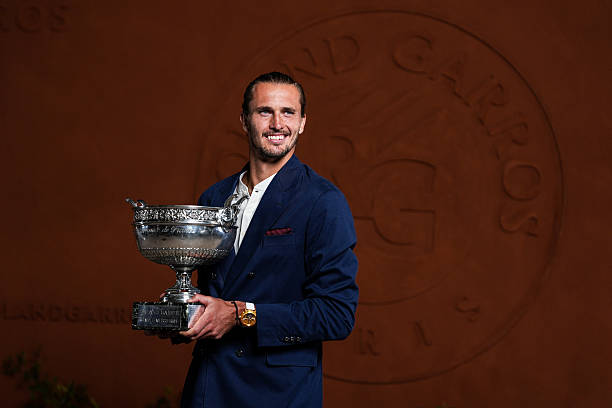
 By Leo Canaparo
For years, Alexander Zverev stood among tennis’ elite while carrying a label he desperately wanted to erase: the best player of his generation without a Grand Slam title.
The German possessed all the weapons required to become a major champion. His towering serve, powerful backhand, athleticism, and consistency made him a fixture in the latter stages of the biggest tournaments. Yet every time he approached the sport’s highest summit, something seemed to stand in his way.
The painful memories began to accumulate.
At the 2020 US Open, Zverev appeared destined to claim his first major trophy when he built a two-set lead against Dominic Thiem in the final. Instead, nerves took over and the Austrian mounted a remarkable comeback, winning in five sets after a dramatic final-set tiebreak. It was a defeat that haunted Zverev for years.
More opportunities followed. He reached another Grand Slam final at the 2024 French Open, where he fell short against Carlos Alcaraz despite entering the match with enormous confidence after an outstanding clay-court season. Once again, the dream slipped away.
Yet perhaps the most defining moment of his career occurred not in defeat, but in tragedy.
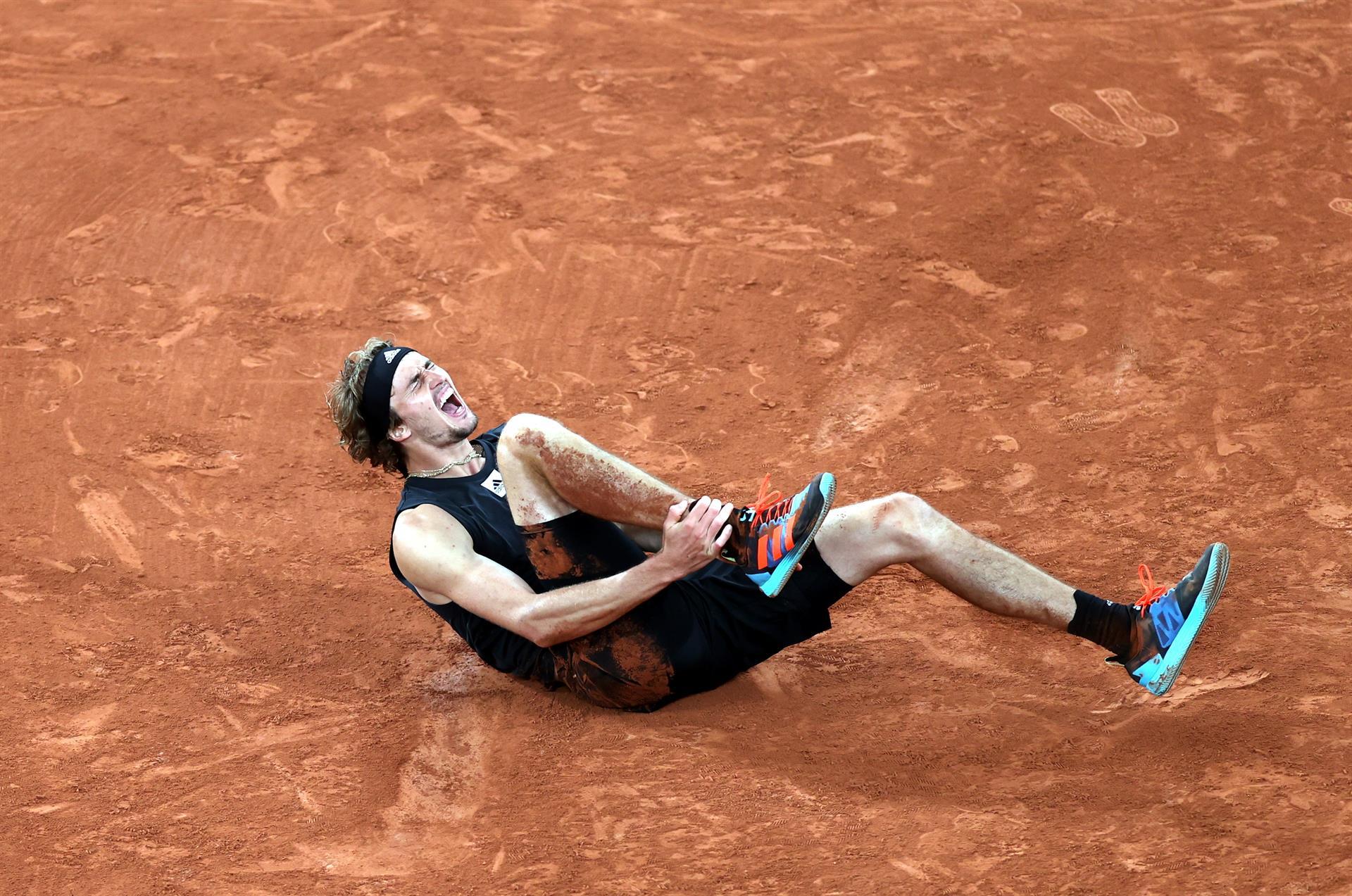
During the 2022 Roland Garros semifinal against Rafael Nadal, Zverev was producing some of the finest tennis of his life. The match had become an epic battle, with the first set alone lasting more than 90 minutes. Then, late in the second set, disaster struck. Chasing a ball near the baseline, the German rolled his ankle severely and collapsed to the clay in agony.
The images were heartbreaking. Zverev left Court Philippe-Chatrier in a wheelchair and was later diagnosed with a serious ankle injury that required surgery. What had looked like a potential breakthrough moment suddenly became the beginning of a long and uncertain rehabilitation process.
Many wondered whether he would ever return to the same level. He did.
Over the following seasons, Zverev gradually rebuilt his game and confidence. He collected titles, returned to the Top 10, and once again established himself among the sport’s leading contenders. But the missing Grand Slam trophy continued to define the conversation surrounding his career.
That conversation finally ended in Paris.
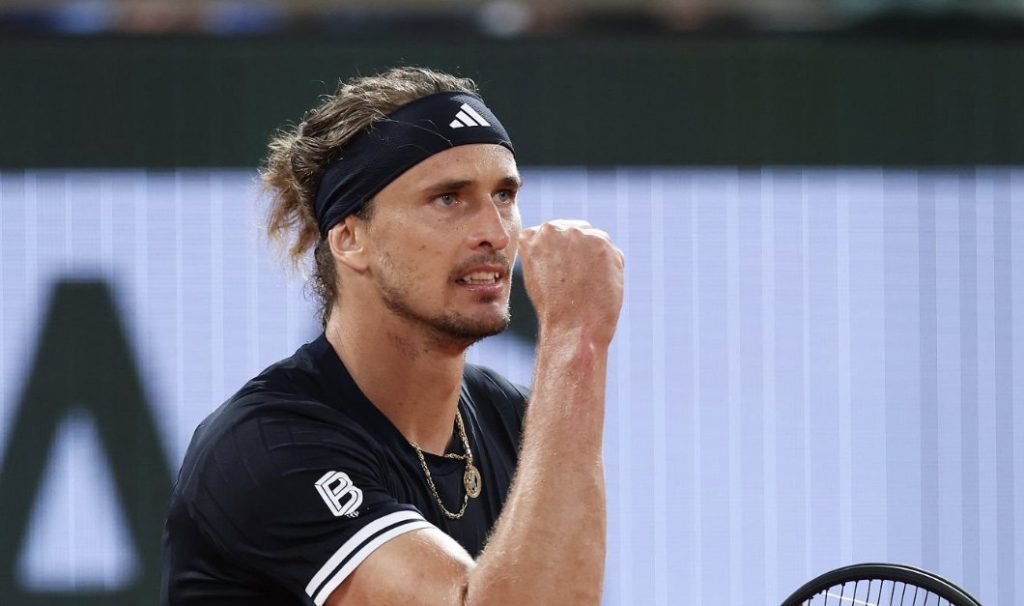
At Roland Garros 2026, with defending champion Carlos Alcaraz sidelined through injury and World No. 1 Jannik Sinner suffering an early upset, Zverev recognized that a rare opportunity had emerged. More importantly, he was ready to seize it.
The final against Flavio Cobolli was anything but straightforward. After taking a two-sets-to-one lead, Zverev began struggling physically and required medical attention during the fourth set. Cramping and fatigue threatened to derail his quest once more, reviving memories of previous disappointments.But this time was different.
Instead of allowing adversity to overwhelm him, he responded with determination. After losing the fourth-set tiebreak, Zverev stormed through the deciding set, displaying the composure and conviction that had often eluded him in the biggest moments. When the final point was won, the significance was impossible to ignore.
The boy once hailed as a future champion had finally become one. The player who endured heartbreaking defeats, crushing injuries, and years of questions had found redemption on the clay of Paris.
For Alexander Zverev, Roland Garros was not simply a tournament victory. It was the culmination of a journey defined by resilience, patience, and an unwavering belief that his moment would eventually arrive.