


 By Leo Canaparo. Director and Tennis coach
In modern tennis, where physical demands continue to increase year after year, longevity has become one of the sport’s greatest achievements. Recovery, nutrition, mental strength, and intelligent scheduling are now just as important as technique and talent. That is why the story of Aqeel Khan deserves enormous respect within the tennis world.
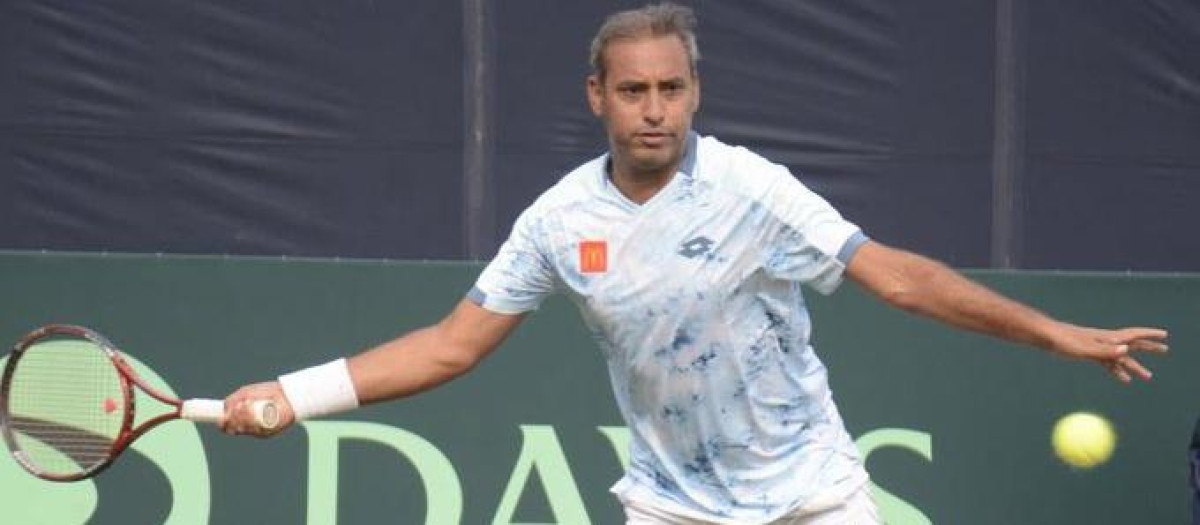
At 46 years and four months old, Khan is set to become the oldest player in the ATP rankings. A legendary figure in Davis Cup for Pakistan, he continues to compete professionally while also making a living through national tournaments and padel events. Last week, his first-round victory at the M15 Islamabad tournament made him only the second oldest man ever to win a main draw match on the ITF World Tennis Tour.
From a coaching perspective, stories like Khan’s are extraordinary because professional tennis is traditionally a young athlete’s sport. The body absorbs thousands of impacts every week, especially on hard courts, and the recovery process becomes slower with age. For most players, the ideal age to compete consistently at the highest ATP level is usually between 20 and 34 years old. After 35, maintaining elite physical intensity throughout an entire season becomes increasingly difficult.
However, there is no exact expiration date in tennis. Much depends on the player’s motivation, physical condition, injury history, and ability to adapt their game. Veteran players who rely more on anticipation, tactical intelligence, serve efficiency, and mental experience often remain competitive longer than those whose game depends purely on explosive movement.
Throughout history, several players have challenged the limits of age in professional tennis. Jimmy Connors famously reached the semifinals of the US Open at 39 years old. Roger Federer won Grand Slam matches at nearly 41. Ken Rosewall reached Grand Slam finals in his forties, while Ivo Karlovic continued defeating younger opponents well into his 40s thanks to his powerful serve and efficient style of play.

The modern game is faster and more physical than ever, but advances in sports science now allow athletes to extend their careers far beyond what was imaginable decades ago. The key is adaptation. Older players must train smarter, reduce unnecessary tournament schedules, prioritize recovery, and accept that maintaining the body becomes part of daily competition.
Aqeel Khan’s achievement is not only about age. It is about passion, discipline, and resilience. In many ways, veteran players remind younger generations that tennis is not only won with speed and power, but also with experience, emotional control, and love for the sport.