


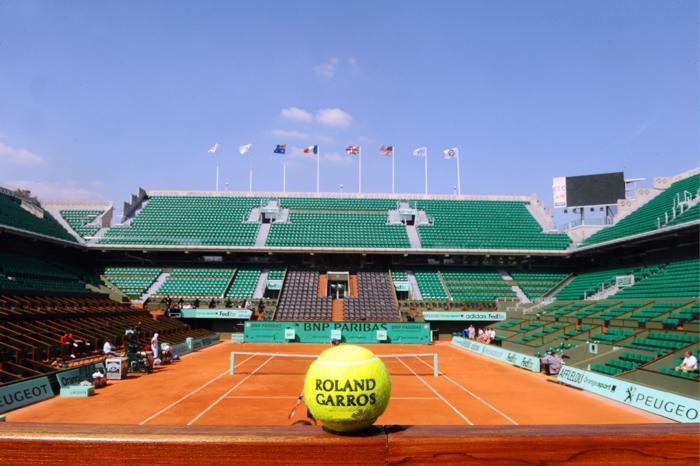
 By Leo Canaparo. Tenni´s coach from Argentina
Clay-court tennis is not just another variation of the game—it is a discipline of its own. From a coaching perspective, it demands a complete understanding of patience, movement, and tactical intelligence. On this surface, matches are rarely decided by sheer power. Instead, they are won by those who know how to construct points, endure long rallies, and seize the right moment to strike.

The first essential element is movement. Sliding is not optional on clay—it is fundamental. A player must learn how to glide into shots, control balance, and recover efficiently. It’s not about running faster, but about moving smarter. Proper footwork allows players to maintain stability while preparing the next shot, turning defense into opportunity.
Equally important is patience. Clay rewards those who can tolerate extended rallies and resist the urge to rush. Points are built step by step, often through heavy topspin and deep, high-bouncing shots that push opponents out of position. The goal is simple: open the court, create space, and only then go for the winner.
Spin, particularly topspin, becomes a decisive weapon. The higher bounce forces opponents into uncomfortable positions, especially on the backhand side. Combined with greater net clearance and safer margins, it allows players to dictate play while minimizing unforced errors—an essential balance on a surface where consistency outweighs risk.
Another defining trait of clay-court tennis is the ability to transform defense into attack. The slower conditions give players time to chase down balls and reset points. The best competitors not only defend effectively, but also know how to transition seamlessly into offense, using angles, depth, and variation to regain control.
This chess-like dynamic has been embodied by some of the greatest players in history. Rafael Nadal stands as the ultimate benchmark, with his relentless intensity, heavy topspin, and unmatched success at Roland Garros. Before him, Björn Borg redefined the game with his consistency and mental composure, while Gustavo Kuerten brought flair and creativity, highlighted by his elegant one-handed backhand.
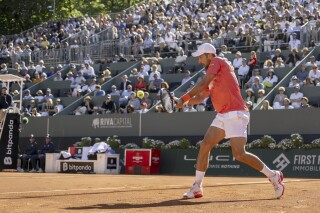
In the modern era, Novak Djokovic has demonstrated how flexibility, elite return skills, and defensive mastery can translate into dominance on clay, while Carlos Alcaraz represents the evolution of the surface—blending aggression, variety, and fearless shot-making with traditional clay-court intelligence.
Ultimately, to succeed on clay is to embrace its demands. It requires physical endurance, mental resilience, and a deep tactical awareness. The player who thrives on this surface understands a simple but profound truth: on the red dirt, victory belongs not to the one who hits hardest, but to the one who thinks best.