


 By Leo Canaparo Tennis coach and Director TENNIS7
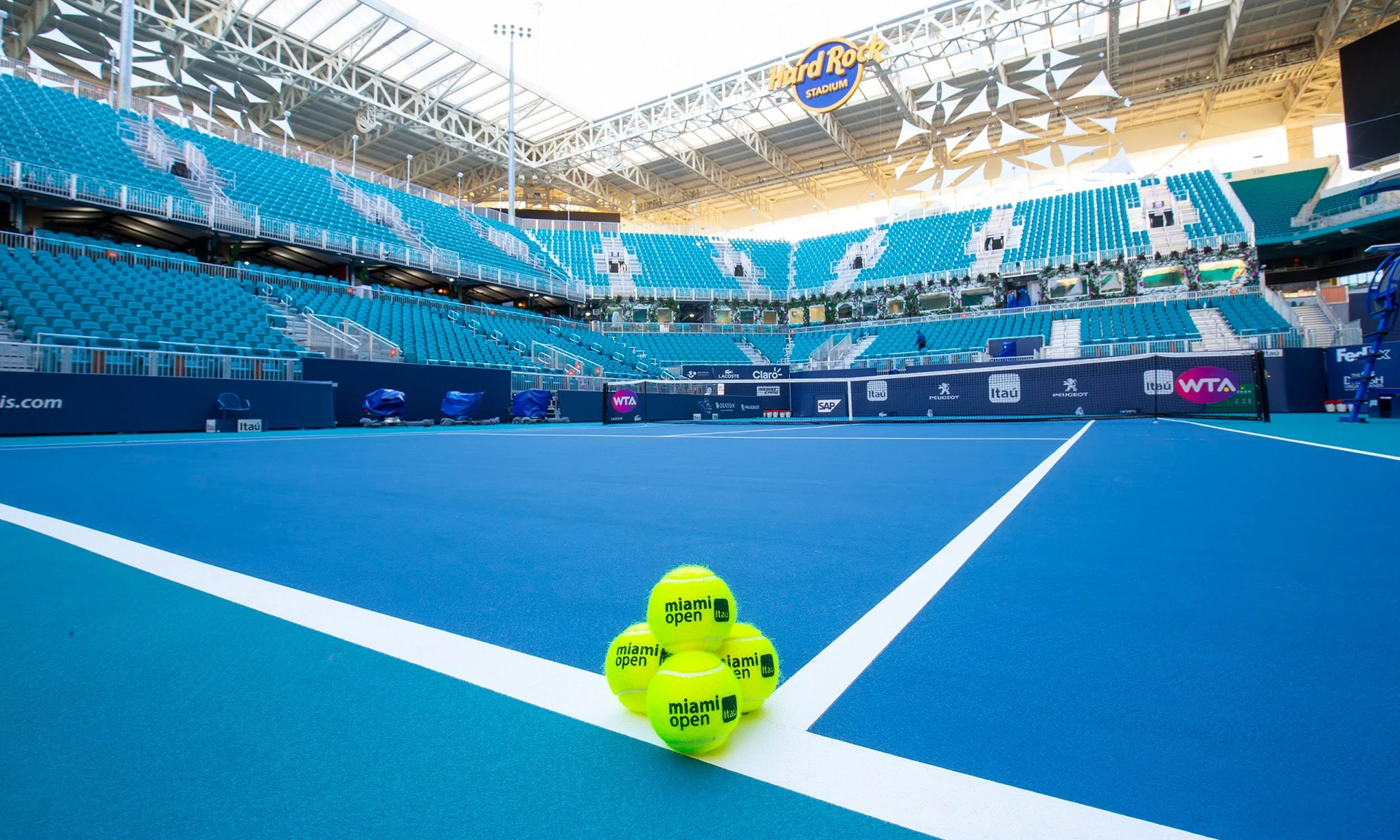
Competing at the Miami Open is about far more than just technique, tactics, and talent—it is a true physical and mental test shaped by some of the toughest playing conditions on the tennis calendar. Held in Miami Gardens, the tournament challenges players with a unique combination of heat, humidity, and court behavior that can turn even routine matches into grueling battles.
The first and most immediate obstacle is the heat. Under the Florida sun, especially during midday matches, temperatures can climb to punishing levels. But it’s not just the heat—it’s the humidity that makes Miami particularly unforgiving. The thick, heavy air feels almost suffocating, making it difficult to breathe freely and recover between points. Players often find themselves drenched in sweat within minutes, and maintaining focus becomes a challenge as the body works overtime simply to stay cool.
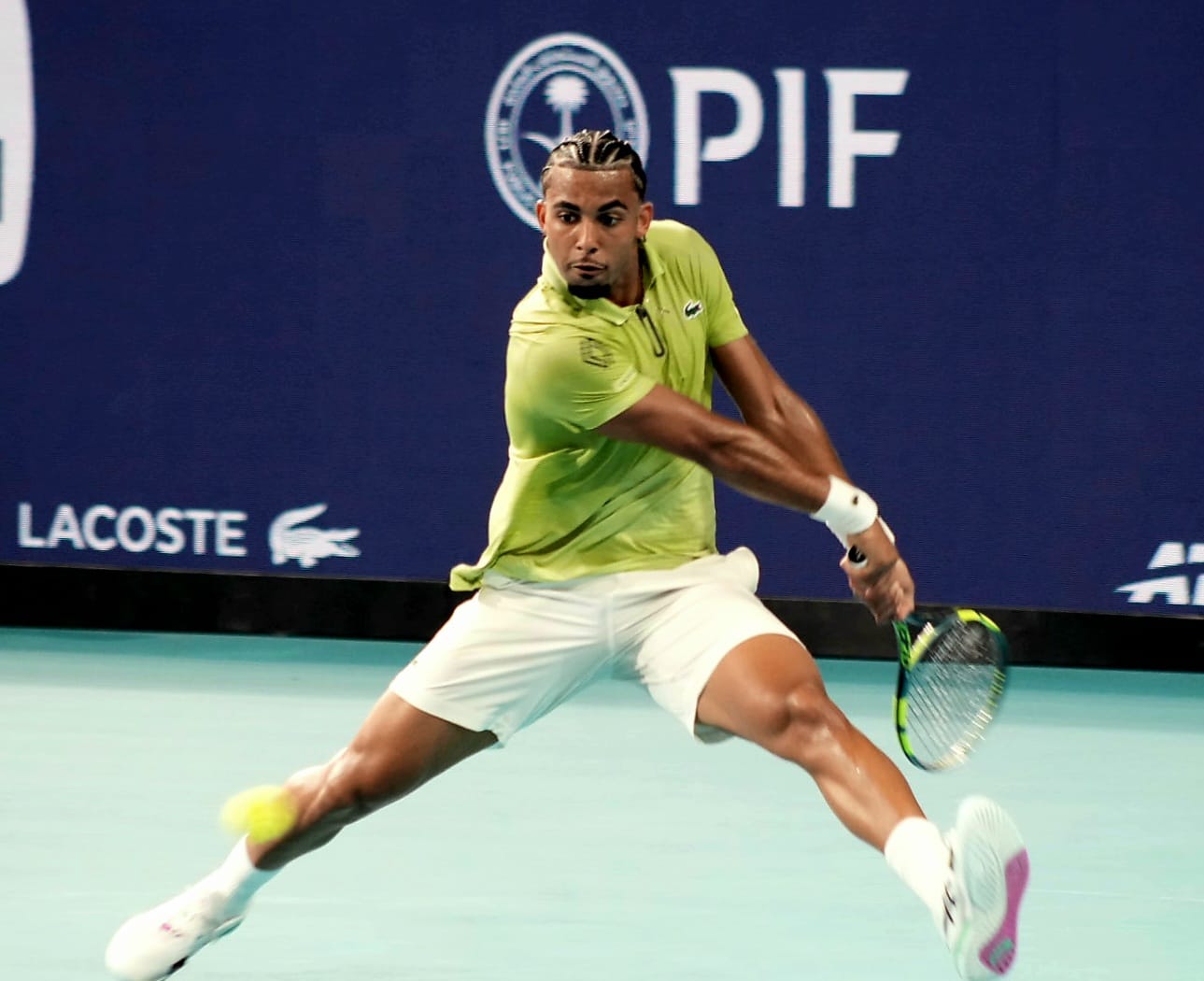
Then there’s the court itself. The hard courts in Miami tend to produce a higher bounce, which forces players to adjust their strike zones constantly. Combined with the humidity, the balls quickly become heavy, slowing through the air and requiring extra effort on every shot. What might feel like a routine rally elsewhere becomes physically taxing here, with longer exchanges and a greater demand for endurance and strength. Timing is disrupted, footwork becomes more laborious, and even the cleanest hitters can struggle to dictate play.
From personal experience, I can attest to just how demanding these conditions truly are. I once had the opportunity to compete in a media tournament held on the very same courts at Hard Rock Stadium. Stepping onto those courts at midday, under the relentless sun, was an eye-opening experience. The heat felt overwhelming, the air thick, and every point required a level of effort that went far beyond the usual. It gave me a deep appreciation for what professional players endure during this event.
In Miami, players are not only competing against their opponents—they are battling the environment itself. Success here requires resilience, physical preparation, and the ability to adapt quickly. It’s a reminder that in tennis, sometimes the toughest opponent isn’t standing across the net, but all around you.