


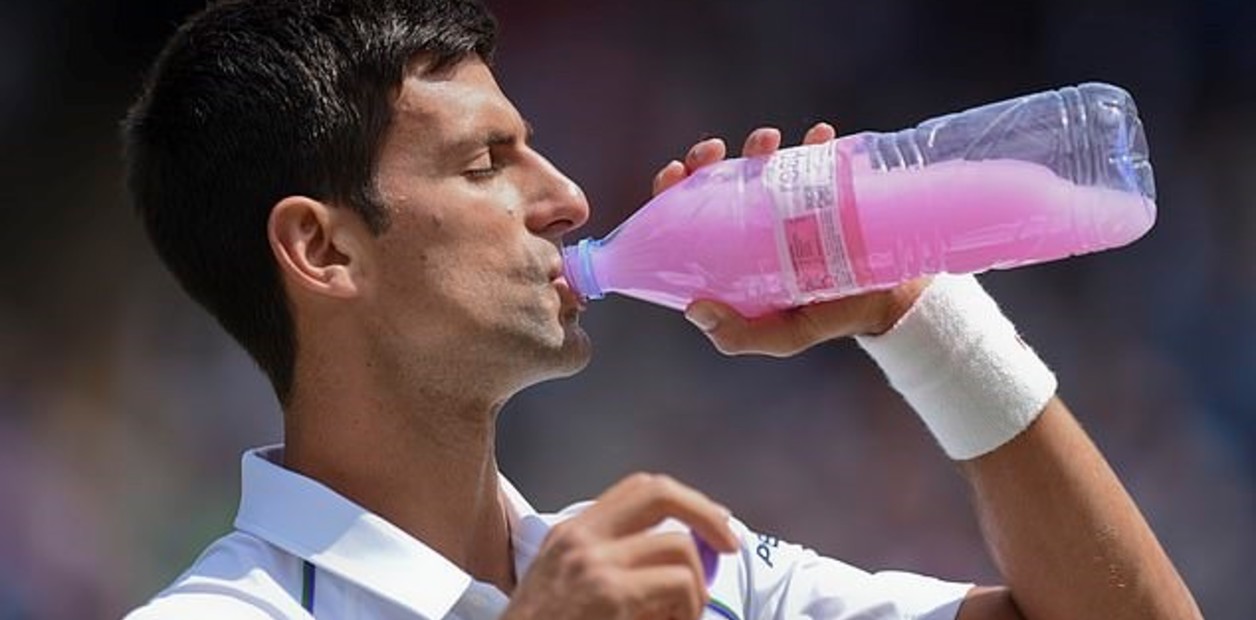
 By Leo Canaparo. Tennis coach
Hydration is one of the most critical—and often underestimated—elements in tennis, whether at the professional or amateur level. Tennis matches can last several hours, are played under direct sun, and involve repeated high-intensity efforts with short recovery times. Without proper hydration, the body struggles to regulate temperature, increasing the risk of heat exhaustion and dangerous heat strokes, while performance levels drop dramatically.
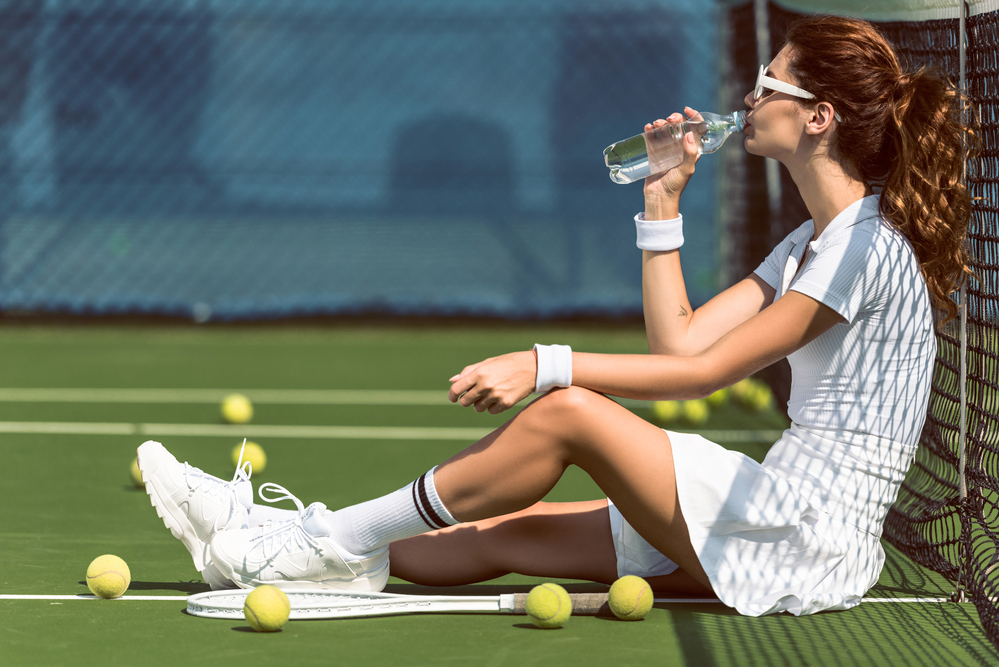
When a player becomes dehydrated, even slightly, reaction time, coordination, and decision-making are immediately affected. Muscles fatigue faster, cramps become more likely, and recovery between points slows down. In extreme heat, insufficient fluid intake prevents the body from cooling itself through sweat, causing core temperature to rise quickly—one of the main triggers of heat-related illnesses on court.
To reduce these risks, players should hydrate consistently before, during, and after matches or training sessions. Water is essential and should form the base of any hydration plan, especially in mild conditions or shorter sessions. However, in long matches or hot and humid environments, water alone is often not enough.
Sports drinks containing electrolytes—such as sodium, potassium, and magnesium—play a vital role. These minerals are lost through sweat and are necessary for muscle function, nerve signaling, and fluid balance. Replacing them helps prevent cramps, maintains energy levels, and improves the body’s ability to absorb fluids efficiently.
In addition, diluted carbohydrate drinks can be beneficial during extended matches, as they provide a quick energy source while supporting hydration. Natural options like coconut water can also be useful, as they combine fluids with electrolytes, though they should be complemented with sodium-rich sources if sweat loss is high.
Ultimately, effective hydration is not about drinking large amounts at once, but about small, frequent sips throughout play. For both professionals and amateurs, staying properly hydrated is not only a performance advantage—it is a fundamental safety measure that can make the difference between finishing a match strong or being forced off the court by the heat.