


 By Leo Canaparo. Tennis coach and Director TENNIS7.NET
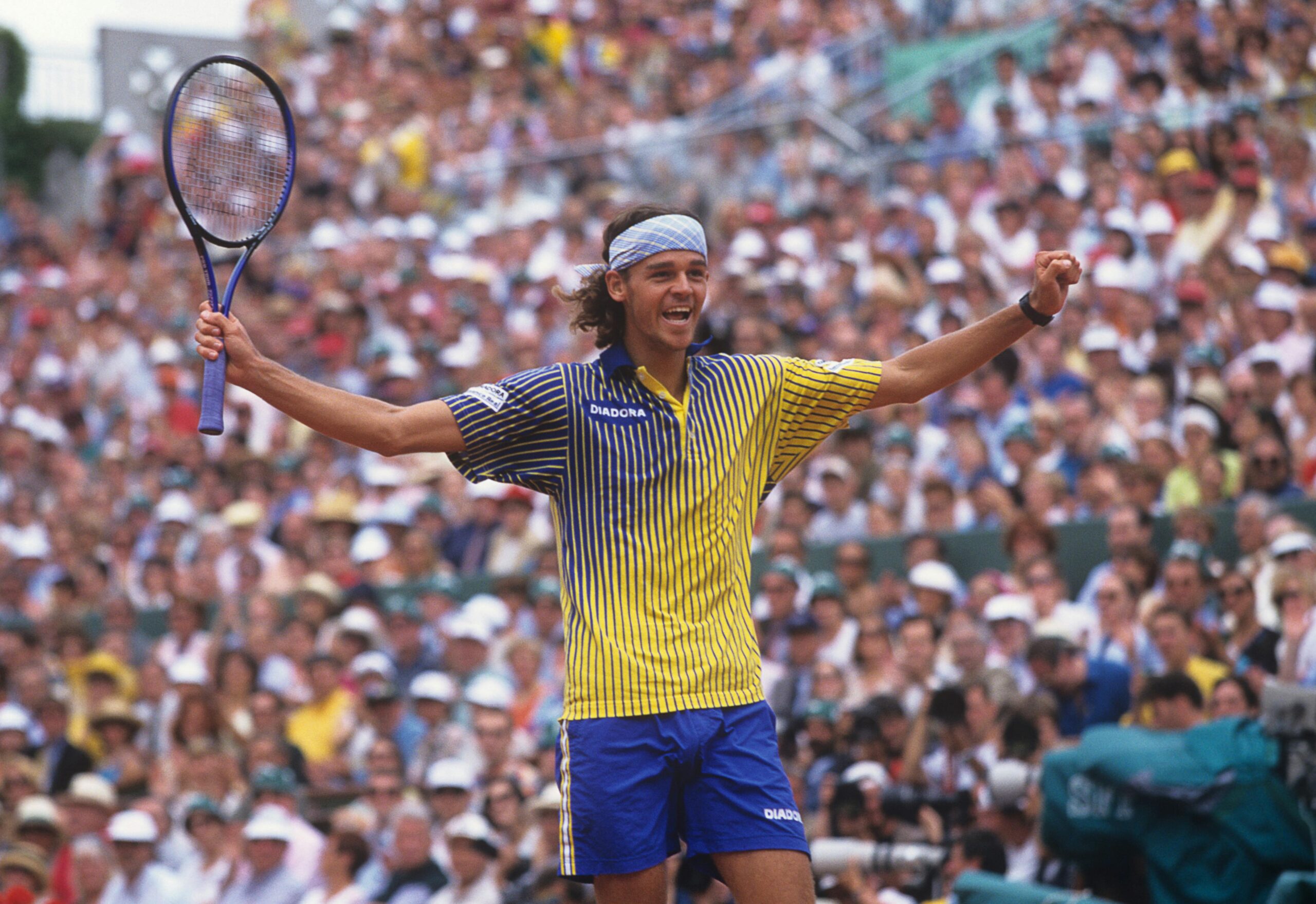
For decades, South American players have built a strong reputation as some of the most dangerous competitors on clay courts. Every European clay season, names from Argentina, Chile, Brazil, Peru, Uruguay, and other countries from the region regularly appear making deep runs in tournaments. It is not a coincidence. Their connection with clay is deeply rooted in the culture, training methods, and physical development of tennis across South America.
Unlike many countries where young players grow up mainly on hard courts, a large number of South American tennis academies and clubs are built on clay. From a very early age, players learn how to slide, defend, construct points patiently, and develop tactical intelligence on slower surfaces. Clay courts demand longer rallies, better endurance, and a greater understanding of point construction — qualities that become natural for South American players over time.
The physical preparation also plays a major role. Training on clay requires exceptional leg strength, balance, and stamina because points are usually longer and movement is more demanding. South American players often develop strong lower-body resistance and impressive recovery skills, allowing them to stay competitive during physically exhausting matches. Their mobility on clay is usually one of their greatest advantages, especially against opponents who grew up mostly on faster courts and struggle with sliding or movement adjustments.
Another important factor is adaptability. Clay courts are common throughout South America not only because of tradition, but also because they are less expensive to build and maintain than hard courts in many regions. As a result, generations of players have spent countless hours competing on slow surfaces under difficult weather conditions, helping them develop mental toughness and patience.
Argentina has also consistently produced elite clay-court specialists, including Juan Martín del Potro, David Nalbandian, Gastón Gaudio, and Guillermo Coria, all of whom enjoyed major success on the surface. Gaudio famously won Roland Garros in 2004 in an unforgettable all-Argentine final against Coria.

Chile also contributed great clay-court competitors such as Marcelo Ríos, the first Latin American player to reach No. 1 in the ATP rankings, and Nicolás Massú, who captured Olympic gold medals in Athens 2004.
Even today, the tradition continues with players like Francisco Cerúndolo, Sebastián Báez, Tomás Martín Etcheverry, and Nicolás Jarry carrying the South American clay-court identity onto the ATP Tour.
In modern tennis, where power and speed dominate many surfaces, South American players continue to prove that movement, endurance, tactical intelligence, and comfort on clay remain some of the most valuable weapons in the sport.