


 By Leo Canaparo – Tennis7.net¨s Director a Tennis coach
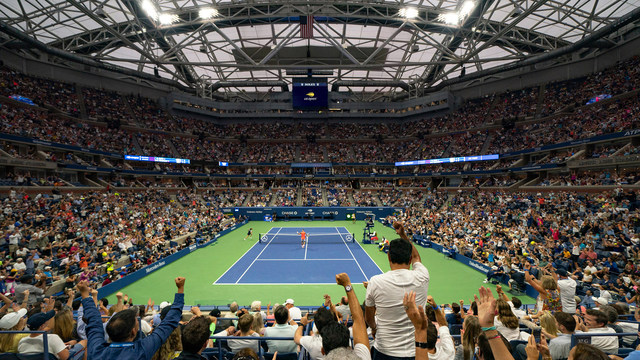
As the tennis world turns its attention to New York, mastering the hard courts becomes the ultimate challenge. Success at the US Open is built on early ball striking, explosive movement, aggressive court positioning, and the confidence to seize every opportunity.
On one of the fastest and most demanding stages in tennis, the player who takes time away from the opponent—and makes the smartest decisions under pressure—is usually the one still standing when the final point is played.
The North American hard-court season is one of the most demanding stretches on the tennis calendar, culminating with the US Open in New York. Unlike clay or grass, hard courts reward players who combine explosive movement, aggressive shot-making, and smart decision-making. Every second counts, and the player who controls the center of the court usually controls the match.
Here are some of the most important technical and tactical keys to succeeding on hard courts.
1. Take the Ball Early
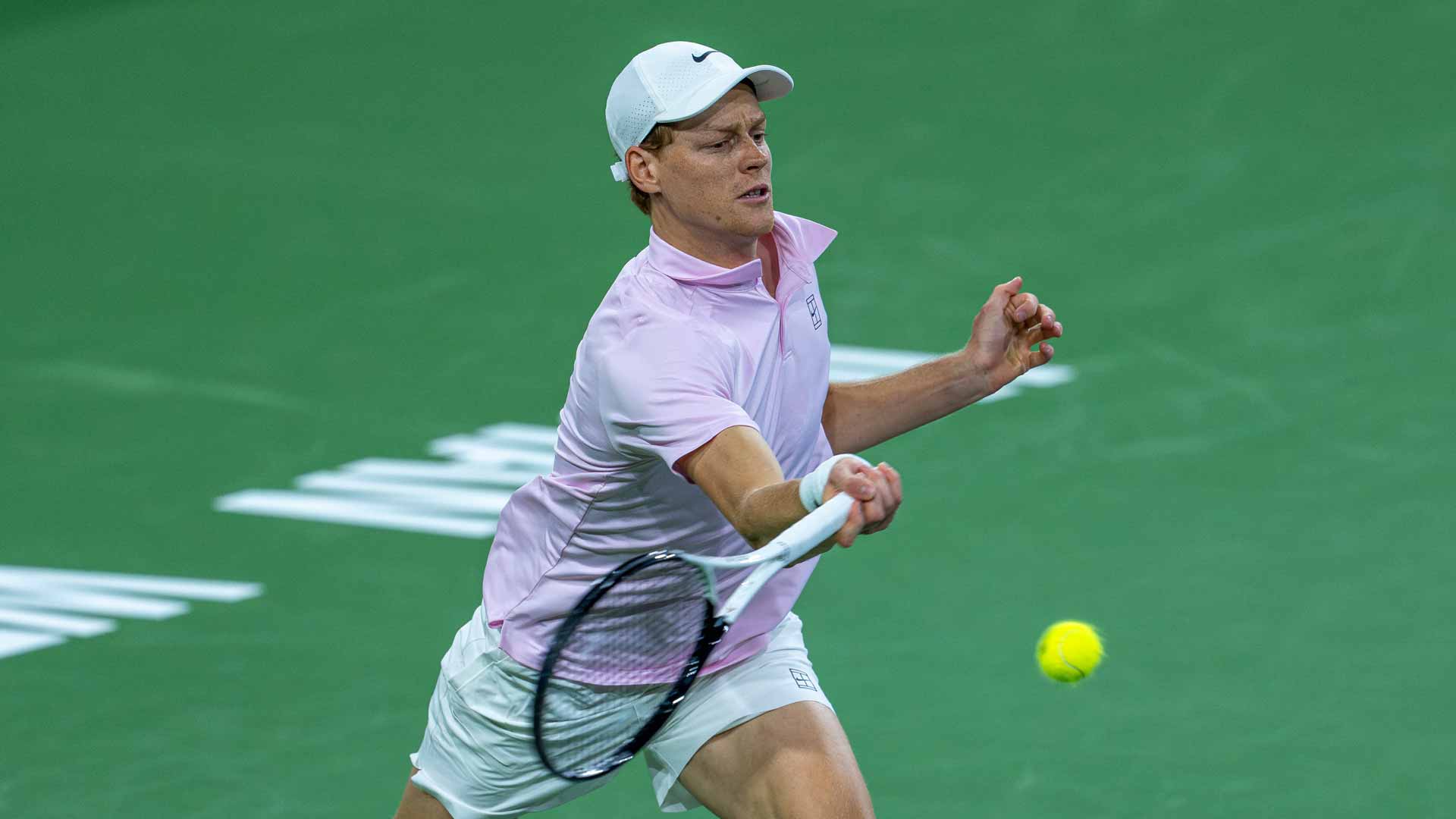
One of the biggest advantages on hard courts is the ability to rob your opponent of time. By striking the ball early—often on the rise—you force your rival to defend under pressure instead of setting up comfortably for the next shot.
Players like Jannik Sinner, Novak Djokovic, and Coco Gauff excel at taking the ball early, allowing them to dictate rallies from the very first exchange.
2. Finish the Point When the Opportunity Appears
Hard courts reward aggressive tennis. While patience remains important, players cannot afford to let short balls go unpunished.
When the opening appears, step inside the baseline and attack with confidence. The faster surface makes it easier to hit winners, but only if you recognize the right moment.

3. Explosive First Step
Movement on hard courts is different from clay. There is little sliding, so players rely on explosive acceleration.
The first step after every shot is critical. Quick reactions and efficient footwork allow players to recover to the ideal position before the next ball arrives.
4. Stay Close to the Baseline
Giving away court position is often a costly mistake on hard courts.
Standing close to the baseline helps players take time away from their opponents, maintain offensive pressure, and create better angles. Retreating too far behind the baseline usually gives the opponent control of the rally.
5. Lateral Speed Wins Matches
Many players focus only on running forward, but side-to-side movement is equally important.
Modern hard-court tennis demands excellent lateral quickness. Strong crossover steps, balance, and recovery movement help players defend while remaining ready to counterattack immediately.
6. A Strong First Serve Makes a Difference
The serve is one of the biggest weapons on hard courts.
A high first-serve percentage not only produces free points but also allows players to start rallies in an offensive position. Variety is just as important as power—mixing flat, slice, and kick serves keeps opponents guessing.
7. Return with Purpose
The return of serve has become one of the defining skills of today’s game.
Instead of simply putting the ball back in play, elite players aim to neutralize or even attack the serve. A deep, aggressive return can instantly shift momentum and force the server into a defensive position.
8. Build Points with Controlled Aggression
Winning on hard courts is not about hitting every ball as hard as possible.
The most successful players combine power with precision. They build points intelligently, waiting for the right opportunity before finishing with an aggressive shot. Discipline often separates champions from talented shot-makers.